

I still flinch when I replay the beginner mistakes I made right after signing up at Quick casino licence. The blinking lights and adrenaline-soaked soundtracks had me convinced every spin was a life-changing event. As a Canadian player, I thought my gut would direct me straight, but I learned fast that enthusiasm without a plan empties a bankroll more rapidly than a sloppy March day melts a snowbank. What follows are the raw errors I committed, each one a bruise that taught me something I hope I’d known from the start. Consider them as valuable lessons every Canuck should learn before they hit that deposit button again.
Blunder #9: Playing Worn Out and Impaired
There was a period during a unusually brutal Canadian winter when I used Quick Casino as a late-night sleep aid after two glasses of whiskey. My judgment quality declined so significantly that I failed to notice a max bet button on a slot until my balance collapsed. Fatigue and alcohol combined to produce a mental fog where hunting became instinctive and where the notion of a stop-loss seemed like a foreign language uttered on another planet.
Quick Casino’s platform works with lightning speed, and a groggy brain is unable to keep pace with rapid roulette rounds or turbo-charged blackjack. quick guide I clicked incorrectly, misjudged totals, and hit the spin button like a zombie. The next morning I would review my transaction history and experience a wave of self-directed anger that had nothing to do with luck and was entirely tied to managing heavy machinery while cognitively impaired.
The fix was brutally simple: I established a hard cutoff of ten o’clock at night and a zero-tolerance policy for alcohol during sessions. Quick Casino is open twenty-four hours, but my most acute play exists in the period when I am well rested and sober. Preserving that window transformed my experience from a succession of regretful mornings into a consistent source of strategic amusement that maintained my bankroll and my dignity unharmed.
Blunder #8: Allowing VIP Perks Control My Pace
When Quick Casino awarded me a loyalty tier upgrade and a personal account manager, my ego ballooned like a helium balloon at a Calgary Stampede. I commenced depositing more often to chase the next tier, calculating what I needed to wager to reach platinum status rather than what I could afford to lose. The complimentary concert tickets and faster withdrawals let me feel like a high roller, but the spreadsheet told a darker story of negative net value.
The rewards program is ingeniously designed to incentivize volume, and I was a textbook case of someone who relinquished unit discipline to qualify for a weekly cashback percentage. I was practically spending a hundred dollars to obtain twenty dollars in loyalty credits while presenting the transaction as a victory for my player status. Quick Casino’s VIP team was charming, but my misinterpretation of their purpose turned a fun perk ladder into an expensive ladder I climbed with reckless speed.
Today I let the VIP perks show up organically or not at all. I still savor the occasional cashback surprise, but I never modify my session limits to reach a comp target. Quick Casino’s loyalty program recognizes genuine play, and when I stopped forcing the math, the perks seemed like unexpected gifts rather than hard-earned wages that I had severely overpaid to collect.
Oversight #5: Ignoring Game RTP and Variance Education
For my first six months at Quick Casino, I chose games purely by thumbnail aesthetics and jackpot size. I didn’t know what RTP meant, and I certainly never tracked down the theoretical return-to-player statistics buried in the help files. I leaned toward flashy progressive slots that suggested of Lamborghinis while silently devouring ninety-six cents of every dollar I wagered over the long run.
That lack of knowledge cost me thousands of spins of potential value. Quick Casino hosts titles with RTP rates ranging from a stingy 92% to a merciful 98%, and I was blindly testing the worst of the lot. Canadian players who avoid this homework are effectively opting for a higher tax on their entertainment, and I was the poster child for that voluntary overpayment. I once played an entire weekend on a tropical-themed slot that gave less than my local lottery scratch ticket.
The turning point arrived when I started allocating ten minutes before every session to research. I now arrange Quick Casino’s library by volatility and theoretical payout, matching my mood to the math. A relaxing evening calls for a 97% RTP low-variance fruit machine, while a thrill-seeking hour gets a high-volatility title with a stop-loss leash. That tiny ritual transformed my long-term results from a predictable bleed into a sustainable hobby.
Mistake #7: Buying into the Gambler’s Fallacy Over and Over
Despite having a science background, I allowed the “red is due” monster to crawl into my brain during numerous roulette sessions at Quick Casino. I would see the wheel land on black eight times and persuade myself that the ninth spin had a cosmic responsibility to flip red. That misconception convinced me to boost my wager size on a fixed-odds independent event, as if the little white ball had a recollection of past outcomes stored in its resin core.
Quick Casino’s RNG-powered tables and live wheels do not change based on historical streaks, but my human wiring declined to embrace that truth in real time. I chased patterns that didn’t exist and set bet sequences that looked sophisticated on paper but fell apart under basic probability scrutiny. The house edge remained perfectly constant while my belief that I could defeat pure randomness sent my bankroll tumbling like a ski jumper without skis.
I shattered the spell by recording my sessions and confronting the data face-to-face. After fifty logged roulette sessions, the red-to-black ratio landed almost exactly at expectation, but my losses grouped around the moments I wagered heavily on supposed corrections. Quick Casino’s history logs provided an undeniable mirror. Now I consider every spin or hand as a disconnected island, and my balance sheet finally reflects that island-mindset discipline.
Mistake #2: Chasing Losses on Volatile Slots
There was a Thursday night when I lost three consecutive bonus rounds on a volatile slot at Quick Casino, and my brain broke. Instead of stepping away, I raised my wager, convinced the game owed me a correction. That wasn’t smart play; it was pure tilt dressed in the language of probability. I pursued a phantom of a monster payout far into the wee hours, and my balance sheet read like a forecast from the lowest point of a frozen lake.
Players in Canada know the psychology of a dry spell, but I ignored the odds entirely. High volatility titles at Quick Casino can run many spins without lighting up, and I’d placed myself as the player who would obstinately feed the establishment until the RNG deigned to come through. Every empty spin was like a personal affront, and I responded by throwing more fiat fuel onto a fire that wasn’t going to warm me up in the near future.
Now I approach those volatile beasts with a hard cap on losses. I set a cap of twenty losing spins in a row before I switch to a stable table game option or simply log out. Quick Casino’s website has more than enough of action, so there is no reason to let a single game dictate my state of mind or my wallet’s health. That pivot saved me from the psychological hangover that a reckless pursuit always delivers.
Blunder #4: Treating Live Dealer Tables Similar to a Social Lounge
I adore the charming hosts at Quick Casino’s live dealer section, and that attachment became pricey. I came for the chatter and the HD video quality, convincing myself I was spending for an event rather than betting real money. The trouble was that my attention shifted from tactics to storytelling, and I started putting side bets I scarcely comprehended just to keep the conversation moving with a cordial dealer from Montréal.
That communal warmth clouded the logical part of my brain. I was making ideal basic strategy plays on blackjack only to undermine myself by adding absurd perfect-pair side wagers with house edges above of five percent. Quick Casino’s platform is engineered to immerse you, but immersion without a protective game plan transforms recreation into a tuition charge for lessons nobody desires to learn twice.
Now I handle live tables precisely like I handle a professional poker table back home in Alberta. I savor the nature, but I psychologically silence the noise and stick to a rigid bet spread. I allow myself one small recreation side bet per shoe as a bonus to the event, nothing more. Quick Casino’s live lobby still provides a rush, but I no longer spend a extra just because someone beamed and addressed me by my username.
Error #11: Underestimating the Power of Frequent Breaks
I once sat at a virtual blackjack table inside Quick Casino for upwards of four hours without standing up, certain that my concentration was unbreakable. That marathon session ended not with a dramatic collapse but with a gradual leak of chips resulting from mental fatigue so slight I was unaware of my misplays piling up. I held a soft eighteen against a dealer ten two consecutive times because my autopilot had taken over from active brain function.
The human attention span declines long before we feel tired, and Quick Casino’s immersive design can hide that decline completely. I would lose the ability to reassess table conditions because I had turned into the furniture, responding rather than analyzing. The casino didn’t need to beat me; it simply needed me to stay long enough for my edge, a razor-thin edge from the start, to evaporate completely into the ether.
Now I enforce a mandatory five-minute walk every forty-five minutes, complete with a glass of water and a gaze at something that is not a screen. Quick Casino’s responsible gaming timer notifies me if I forget, and I regard that reminder like a valued coach rather than an nuisance. These short resets restored my decision quality back to morning sharpness and kept my bankroll from dying the death of a thousand lazy cuts.
Blunder #10: Judging My Start by Someone Else’s Showcase
I got caught up in watching Canadian streamers display massive Quick Casino wins and assumed that their reality should instantly become my own. I would lose composure after a dozen dead spins because some influencer had scored a bonus buy worth five grand earlier that week. That comparison sickness pushed me toward higher stakes than my bankroll could sustain, and it robbed every small win of its deserved joy because I measured it against a curated social media fantasy.
The streamers I envied often competed with sponsored balances or had bankrolls established over a decade. I was trying to replicate a highlight reel using my biweekly grocery budget, which is a formula for financial heartbreak presented on a silver platter. Quick Casino’s game library is identical for everyone, but the context of each player’s resources and risk tolerance varies wildly, and I entirely ignored that essential truth for months.
Now I watch streams purely for entertainment, with the idea of “sample size” echoing in my head. Quick Casino offers a personalized journey, and I concentrate on improving my own previous session’s discipline, not someone else’s jackpot screenshot. That change unlocked a feeling of contentment where tiny wins really mattered, and the constant itch to go big or go home ultimately disappeared.

Blunder #3: Operating Without a Bankroll Strategy
My earliest sessions at Quick Casino resembled a chaotic spending spree with a credit card that had no limit. I’d put in whatever felt right in the moment, then boost the stake when adrenaline peaked and reduce it when fear crept in. That emotional rollercoaster ensured I had no idea what a single spin actually cost in relation to my total session budget, which is essentially giving the casino a blueprint to deplete my funds by dinner.
I was viewing my bankroll like flexible plastic instead of the fuel gauge of a cross-country road trip through the Canadian Rockies. Quick Casino provides deposit limits and reality checks, but I arrogantly dismissed those tools as features for undisciplined players. The truth was I required them most. Without a fixed session percentage, a three-digit balance could evaporate in ten minutes of reckless blackjack doubling, leaving me with nothing but regret and an empty coffee cup.
The transformation occurred when I started dividing my monthly entertainment budget into twenty equal units. Every bet I place now stands for a tiny fraction of that unit, not a random impulse. Quick Casino’s interface turned into my ally instead of my predator once I planned my session length against my bankroll. This shift turned gambling back into a marathon of calculated joy rather than a desperate sprint toward insolvency.
Error #12: Misjudging Near Misses as Tactical Signals
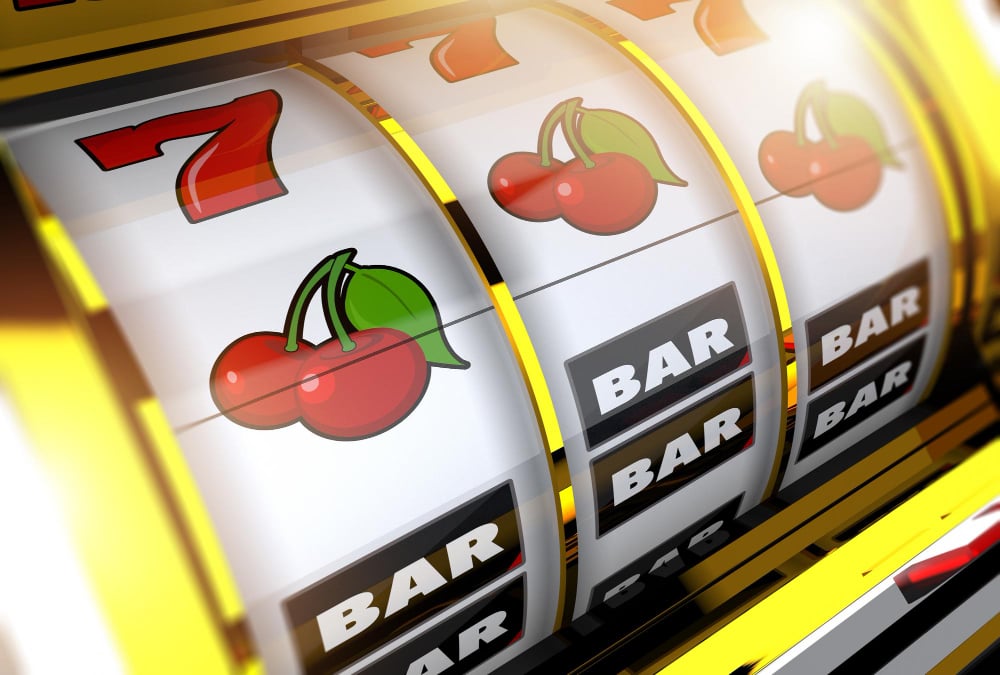
On a cherry-themed slot at Quick Casino, I landed two scatter symbols on a payline with the third hovering one position off, and my brain insisted that the game was warming up. I interpreted that near miss as a sign to increase my bet for the next fifty spins. In reality, that almost-win was a random arrangement of pixels engineered to appear at a mathematically set frequency, and it had zero forecasting power for the spin that followed.
The human brain is hardwired to detect patterns, and slot designers comprehend that wiring better than most psychologists. Quick Casino’s titles use animations and sound effects that amplify the emotional influence of a two-out-of-three alignment, deceiving me into believing that a jackpot was unavoidable. I sank money into that illusion until I finally grasped that a near miss is simply a loss clad in a prettier dress, nothing more.
Today I record my near-miss emotional response and handle the data as a warning light. If a near miss triggers an urge to up my wager, I reduce my bet size instead and force my brain to separate the sensory spectacle from the underlying math. Quick Casino’s games remain entertaining, but I now interpret the cinematic flair as entertainment packaging, not as a coded message from the universe pleading me to go all in.
Omyl #13: Přeskakování reality checku přehledů sezení
For an embarrassingly long period, I jsem se nikdy nepodíval na historii transakcí Quick Casino beyond checking my current balance. I jsem jednal na základě neurčitého pocitu of zda vyhrávám nebo prohrávám, and ten pocit byl často mylný. My memory amplified the jackpot moments and pohodlně smazalo stovky malých vkladů that nenápadně vysávaly můj měsíční rozpočet na zábavu far beyond what I would have ever consciously approved.
Vyhýbání se účetní knize nebyla nedbalost; it was a neuvědomělý obranný mechanismus against konfrontace se skutečnými náklady mého koníčku. Quick Casino provides an impeccably detailed statement that shows every wager, every cashout, and every bonus wagered, but I jsem to bral jako zubařskou prohlídku, kterou bych věčně přeplánoval. The moment I konečně otevřel ten záznam, I zažil šok z prozření that změnil celou mou filozofii hraní in a single afternoon.
Now nedělní večery jsou vyhrazeny for a desetiminutovou revizi zisků a ztrát that I beru stejně vážně jako podání daní. I kategorizuji sezení podle typu hry, všímám si, kde jsem polevil v disciplíně, and oslavuji sezení, kdy jsem skončil v plánovaný čas. Quick Casino’s transparency became the foundation of my improvement, přeměnila černou skříňku emocí na osvětlený dashboard that I dokážu ovládat s opravdovou přesností.
Mistake #1: Ignoring the Fine Print on Quick Casino Bonuses
When I first I spotted a 100% match bonus at Quick Casino, I believed I’d decoded a secret code. I funded instantly, already envisioning stacks of free cash rolling in. No one stopped me when I ignored the terms pop-up because I was too eager for the extra credits. That carelessness turned a dream into a nightmare the moment I attempted to cash out what I thought were my winnings, only to be stopped by wagering rules I had never taken the time to read.
Quick Casino lays out every requirement with Canadian clarity, but I scanned it like a junk mail flyer. The 35x playthrough amount wasn’t a suggestion; it was a steel gate. I’d triggered the bonus on slots without realizing that not all games count the same toward clearing the rollover. Table game contributions were cut to a fraction, so I wound up spinning for days just to unlock a withdrawal I’d already counted as mine.
The insight hit me like a hockey check. Now I treat the bonus policy page like a legally binding contract. I review maximum bet limits, excluded payment methods, and exactly how many days I get to wager before the offer evaporates. Quick Casino’s promotions are generous when you follow them, but neglect the fine print and you are basically gifting your deposit back to the house. My bankroll never endured that particular sting again.
Blunder #6: Ignoring Deposit and Withdrawal Mechanics
I used to fund my Quick Casino account with any card nearby, never checking whether that identical method could handle withdrawals. One Friday evening I scored a lovely three-figure win on a progressive drop, only to discover my preferred Interac route had a 72-hour pending period and a verification document request I hadn’t prepared for. The irritation of seeing confirmed money sit locked behind a processing wall ruined the entire victory.
Worse, I hadn’t verified my identity before playing, which postponed the first cashout by nearly a week. Quick Casino’s security protocols are there to protect Canadian players, but my laziness turned a smooth procedure into a bureaucratic crawl. I spent more time chasing support tickets than enjoying my win, and that dissonance led me to question whether the thrill was worth the administrative headache I had self-inflicted.
Now my first move after registration is consistently uploading documents and setting up a consistent e-wallet or Interac pathway that handles both deposits and withdrawals in under twenty-four hours. Quick Casino supports a clean array of Canadian-friendly options, and I treat that infrastructure as part of my strategy. A victory only seems real when the cash lands in my bank account without a multi-day hostage situation.